


This article was originally published by Meg Deak, a Local Journalism Initiative Reporter with the Woolwich Observer.
When it comes to bee conservation, most people don’t think about microbes. However, joint research from the University of Guelph and Wildlife Preservation Canada (WPC) shows that protecting pollinators means shifting focus toward the “micro-biome.”
Their collaborative research highlights that saving bees requires saving their gut microbes, which are vital for a colony’s survival, immunity, and resilience against environmental stressors.
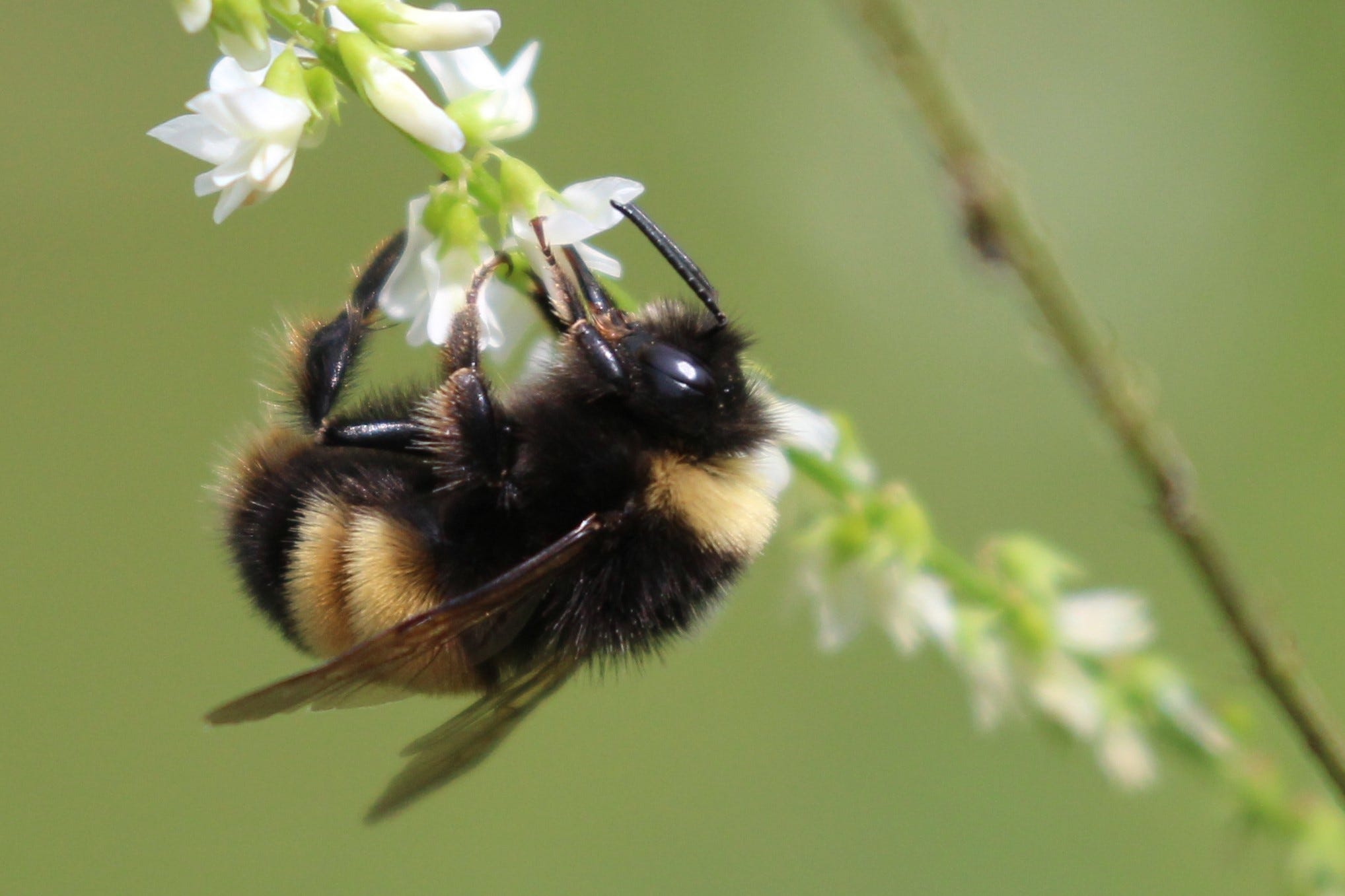
WPC is home to the world’s only bumblebee program for endangered species, making it a great place for the research to take place. They do work with bumblebee species such as the Yellow-banded Bees because their populations have plummeted since the 1990s, leading to their “Special Concern” status.
“With conservation breeding programs, one of the downsides is that there’s going to be some loss of biodiversity in a conservation breeding program, and we’ve also learned that this occurs at the gut microbe level, the gut microbes of wild bees will be different from the ones in our lab, just because they’re exposed to different environmental stimuli,” said Cole Blair, lead biologist at WPC.
Stressed bees host 253 percent fewer microbial groups than their healthy wild counterparts. The bees bred in Wildlife Preservation’s program had particularly low levels of Lactobacillus bacteria. The goal of WPC and the University of Guelph’s research is to try to preserve healthy microbes and promote their growth in captive bee guts.
“Those will hopefully translate to better health outcomes and better colony outcomes of our Yellow-banded Bumblebees, which would then hopefully boost the reproductive output and help grow our captive population even further,” explained Blair.
Current research shows that introducing managed honey bee hives to probiotics can improve hive health, even improving bees’ pathogen resistance. The goal of the research program is to describe the gut microbiome of Yellow-banded Bumblebee queens. Then isolate certain helpful gut microbes in the queens and create a feeding supplement to give to the queens at WPC to perform better in the lab.
“Essentially with this project, these collaborators [University of Guelph researchers] had this idea themselves. They reached out to us with this, and then we thought it was great and a great way to help build our captive pool, so we lucked out in this instance,” said Blair.
“It’s still ongoing, though. We’re hoping to trial some of these microbial feeding supplements at some point this year, so hopefully have some interesting results by the end of the fall.”
Follow The Field & Shutter Press
Instagram | YouTube | BlueSky
Have a tip, story idea, event, or want to appear as a guest column? Contact us.