


JUNE IN REVIEW
Howdy everyone, I hope you have all been doing well.
As June marks the start of the summer season, it also marks one year of The Field & Shutter Press. It was one year ago this month that the publication launched its new direction, shifting from a nature and photography-focused newsletter to a full-fledged journalism publication.
A big thank you to everyone who has supported us and continues to do so!
Speaking of photography and journalism coming together, this month I published a new photo essay from my time at Point Pelee National Park this May, Canada’s southernmost mainland point and a hotspot for birding.
You can jump straight into that gallery here, or simply keep scrolling to find the article further down.
Lastly, a quick note to everyone who has been following our coverage of the Wasaga Beach Piping Plovers: I am currently working on an in-depth article analyzing the 2026 nesting season. The piece will break down exactly what protections were in place on the ground this year and explore the unique challenges these endangered shorebirds faced along the beachfront. Please stay tuned!
Until the next one,
-Greg
Nesting plovers at Wasaga unsuccessful; natural factors likely contributed
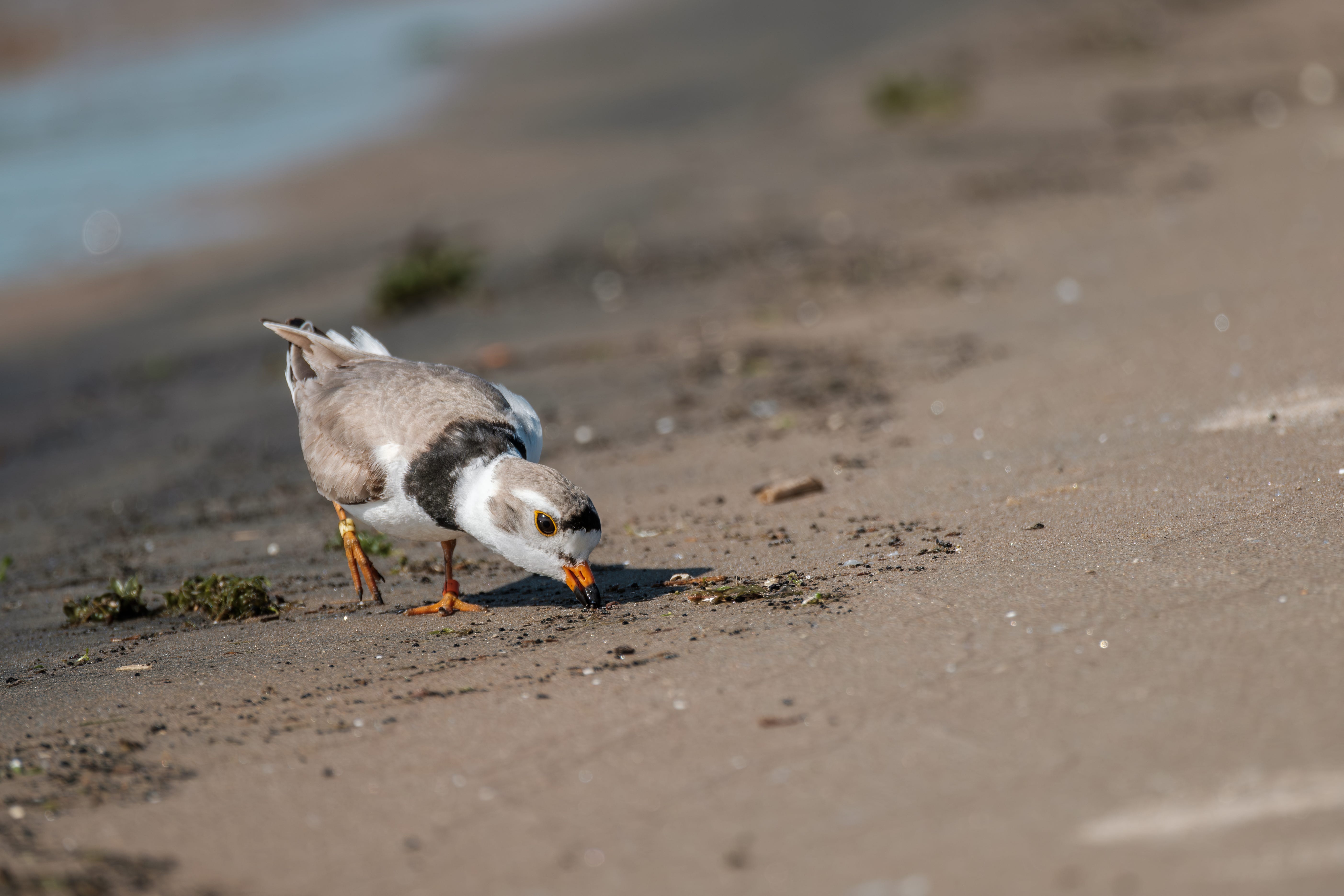
Patty and Ollie, a pair of Piping Plovers, established their nest at Wasaga Beach on May 11. A third, unmated plover arrived later. On June 13, the pair hatched 3 chicks; however, severe weather moved through the area, and by the morning of June 15, both the chicks and Ollie were no longer present.
“We are hopeful that Ollie simply moved on from the area after losing his chicks. The female [Patty] and a unmated bird remained at the site for a few more days, but have since moved on. The team continues to monitor for adults and fledglings stopping by on their southern migration,” read an update included in a Birds Canada newsletter.
Birds Canada further explained that within 36 hours of the chicks hatching, “severe rain, wind, and resulting flooding and washouts occurred.” Severe weather, including flooding and washouts, can destroy nests and is considered a factor in the species' decline.
Piping Plovers are a federally endangered species that only returned to Ontario in 2007, after disappearing from the landscape for 30 years. Wasaga Beach is one of the most important nesting locations for Plovers. “Since 2008, Wasaga Beach has hosted 59 nests and fledged 87 chicks, the most of any site in Ontario,” explained Sydney Shepherd, the Ontario Piping Plover Program Coordinator with Birds Canada, in a previous email to The Field & Shutter Press in February.
The Town of Wasaga Beach also announced in a press release on June 19 that the plovers were unsuccessful, saying that “the Town understands that weather conditions and predator presence were both potential factors in this difficult outcome.”
This year marked Patty and Ollie’s fifth consecutive year nesting at Wasaga Beach. Birds Canada previously described Ollie as “a very protective father.”
A new conservation area opened in Mississauga
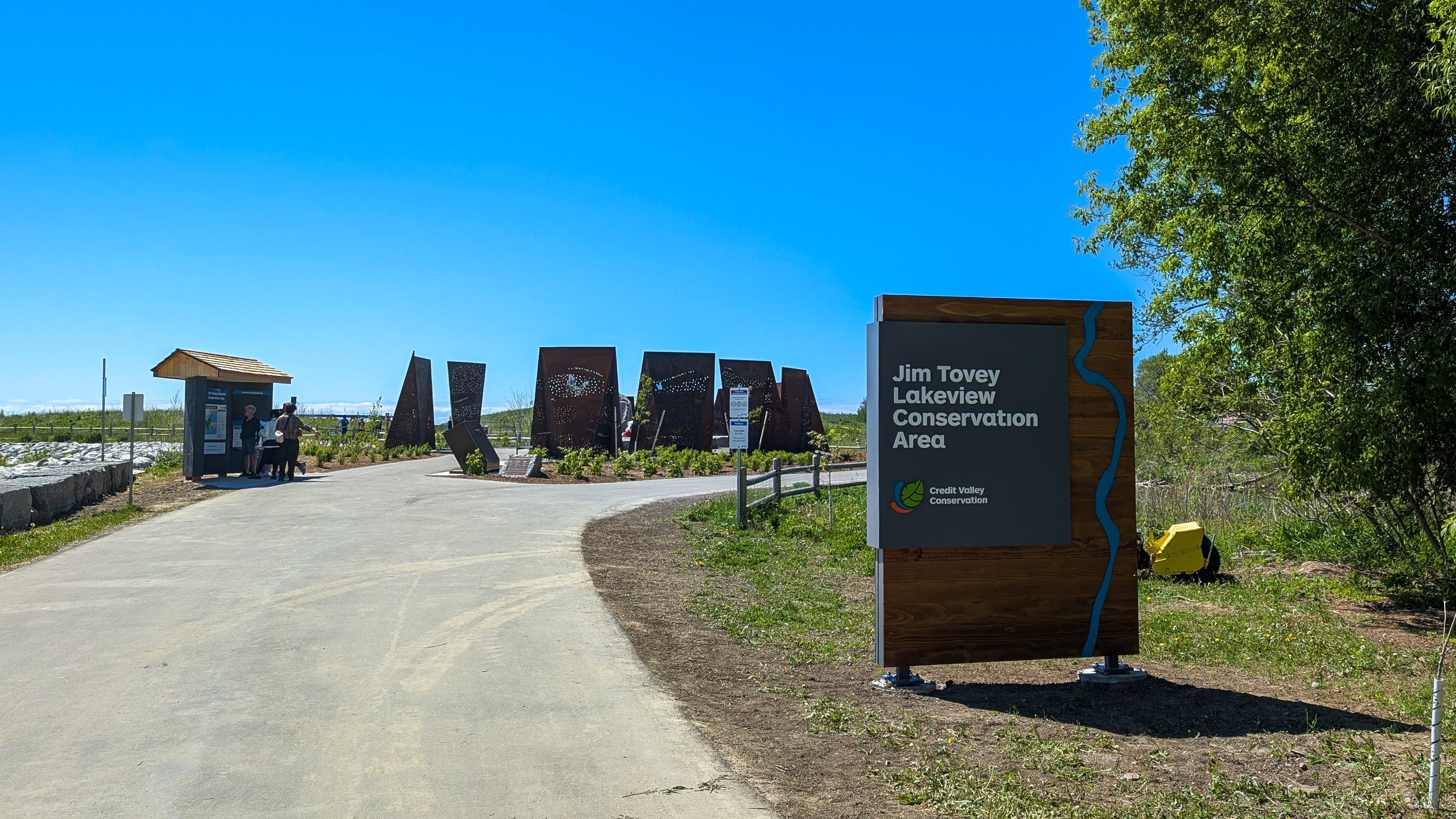
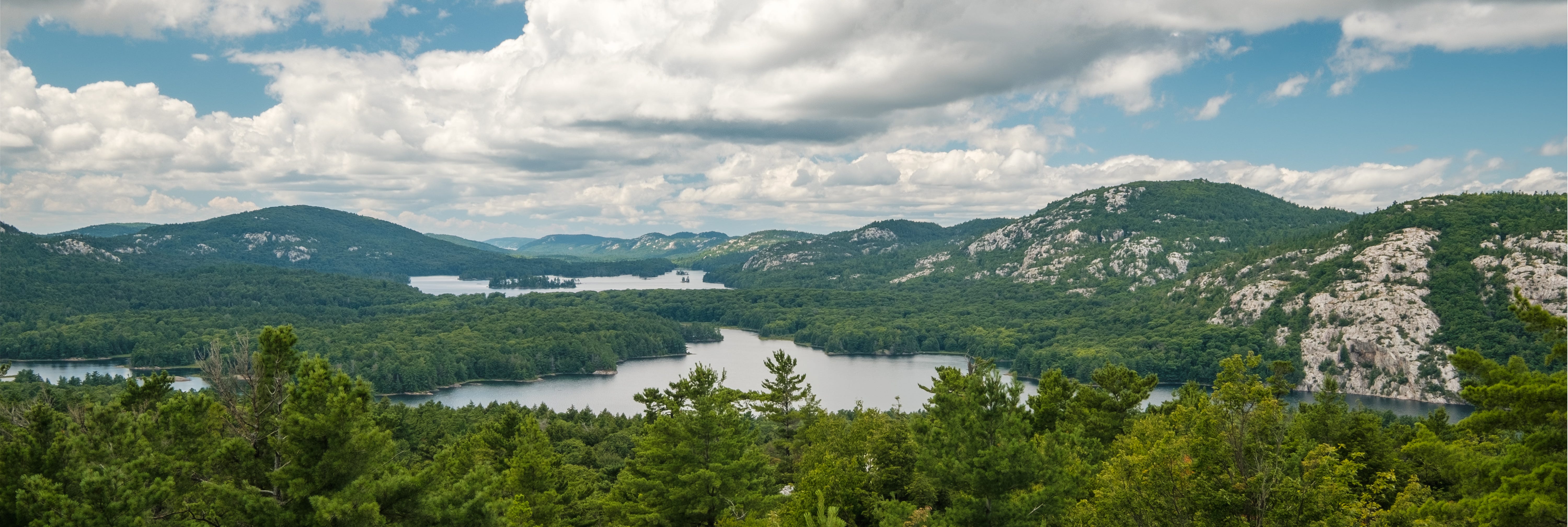
On May 30, Credit Valley Conservation unveiled its newest Conservation Area to the public along the shores of Lake Ontario in Mississauga.
The Jim Tovey Lakeview Conservation Area is named after Jim Tovey, a former Mississauga and Peel Region Councillor. It spans 26 hectares and features 3.7 kilometres of accessible trails with boardwalks, pathways, and excellent views.
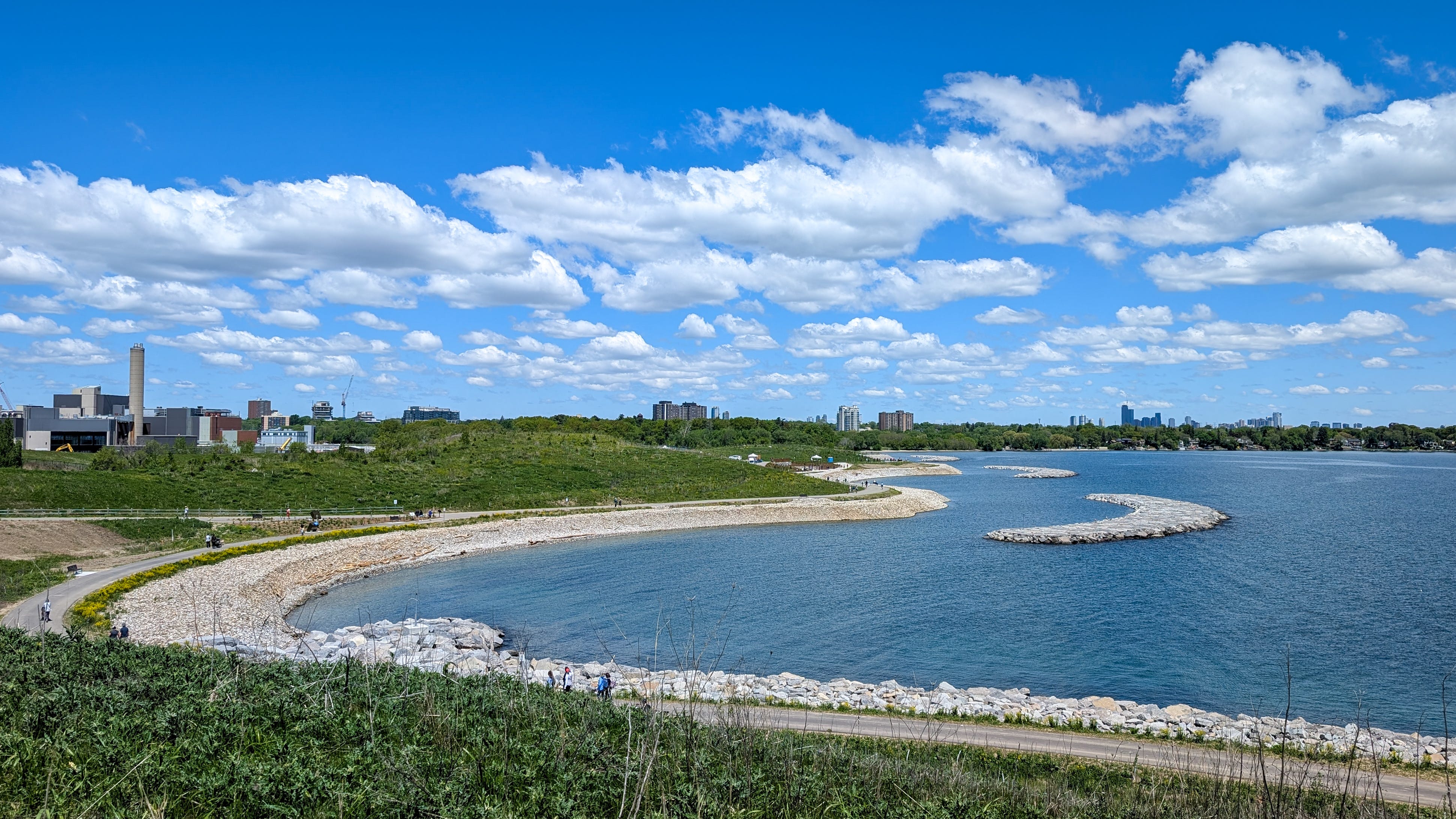
The location was created on a former industrial site through a multi-year process involving Credit Valley Conservation, Toronto and Region Conservation Authority, and the Peel Region. In total, more than 38,000 trees and shrubs and over 76,000 wetland plants were planted as part of the project.
To access the area, Credit Valley Conservation notes on their website, “Parking is only available at Marie Curtis Park, 2 Forty Second St, Etobicoke,” and that “Visitors must enter and exit through Marie Curtis Park.”
For more information about the location, visit Credit Valley Conservation’s website.
Ontario Parks gets new and upgraded campsites
After Ontario Parks welcomed nearly 14 million visitors in 2025, the province announced on June 9 that it is adding 67 new campsites across some of Ontario's most iconic provincial parks.
The new campsites will offer 4,891 reservable nights from June 26 to September 7 (Labour Day), including 17 new sites at MacGregor Point, 25 at Killarney, and 25 electrical sites at Driftwood Provincial Park.
“By opening 67 new sites – with hundreds more to come – we are creating more opportunities for families to enjoy Ontario’s incredible outdoors, supporting local businesses and helping people create lifelong memories to share with loved ones,” said Todd McCarthy, Ontario’s Minister of the Environment, Conservation and Parks, in a press release.
The expansion is part of a $60 million plan from the province, which looks to upgrade an existing 800 campsites while adding up to 300 new ones. The province says that, in addition to the newly announced expansions, it has already completed many upgrades at parks across the province, including Sandbanks, Arrowhead, and Turkey Point.
Don’t get ‘ticked’ off by nature this summer
Ticks, the small arachnids found in wooded areas, tall grass, and shrubs, are on the rise this year, and so too is the threat of Lyme disease. The Narwhal has produced a great piece to keep you safe and informed as you head outdoors in Ontario this summer.
THE FIELD & SHUTTER PRESS
FEATURES & INVESTIGATIONS
Coalition calls on Ontario’s financial watchdog to probe true cost of Highway 413; Ford shuts Legislature down for 5 months

On June 2, the Doug Ford government announced it was heading into an almost five-month summer recess after a 30-day legislative session; the same day a coalition requested the province’s financial watchdog to launch an independent investigation into the costs associated with building the controversial Highway 413.
By: Anushka Yadav, Local Journalism Initiative Reporter, The Pointer
FIELD NOTES & PERSPECTIVES
Capturing May migration at Canada’s southernmost mainland point

At the southernmost mainland point in Canada, thousands of birds migrating north will arrive, alongside thousands of visitors to Point Pelee National Park. This photo essay explores some of the birds found here.
IN OTHER NEWS
In the “In Other News” section, we’ll share interesting updates and discoveries from the past month. Expect highlights on photography, nature, wildlife, conservation, and environmental topics.
Standalone chimney built to house Chimney Swifts in Oshawa
Published on: 08/JUN/2026
To help protect the threatened chimney swift population, Metrolinx constructed a standalone brick chimney at the site of Oshawa's future GO station to replace habitat lost during the partial demolition of a nearby building. Click here to read more
Follow The Field & Shutter Press
Instagram | YouTube | BlueSky
Have a tip, story idea, event, or want to appear as a guest column? Contact us.