


MARCH IN REVIEW
Howdy everyone, I hope you have all been doing well.
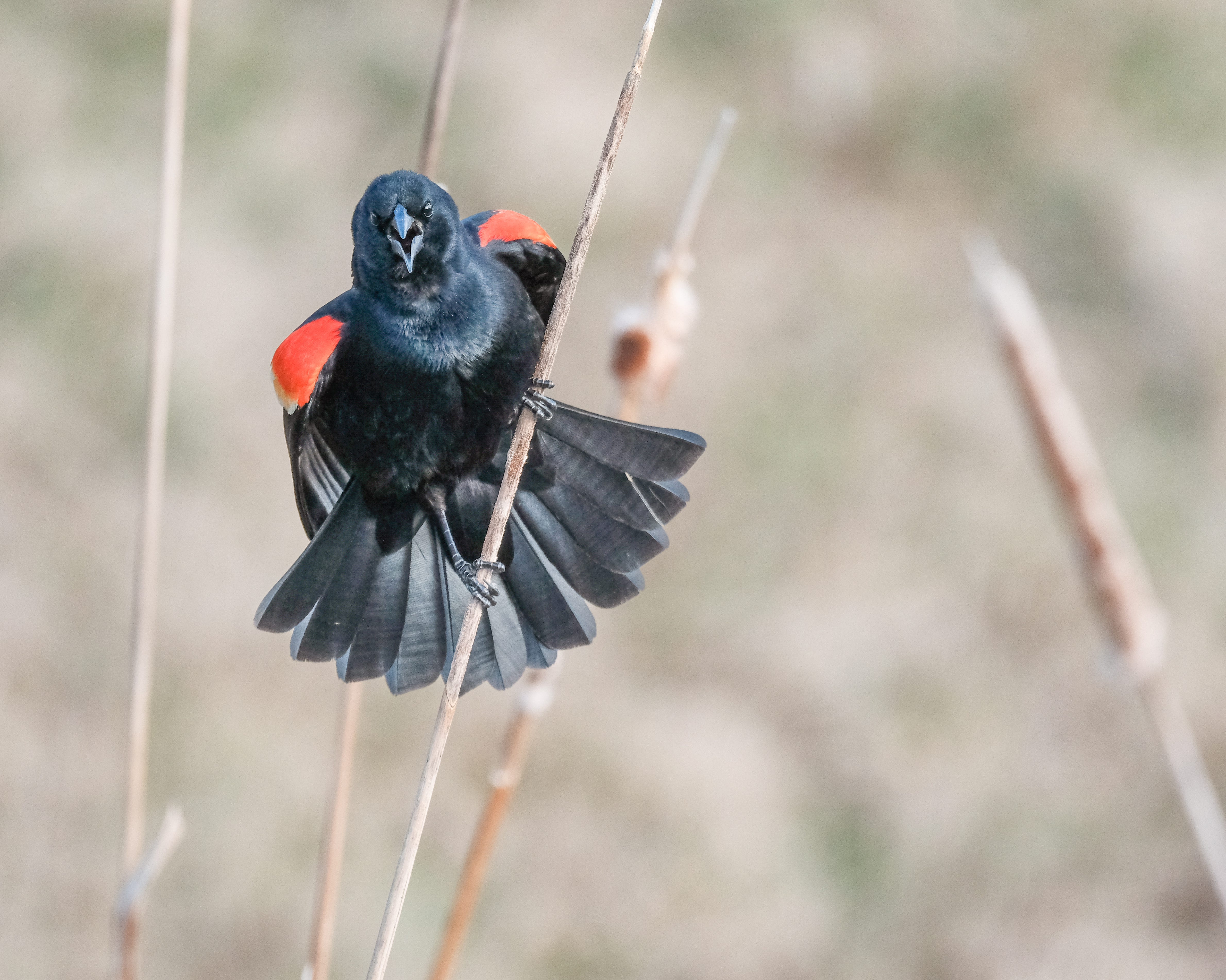
This month brought with it the first day of spring, being March 20! Turkey Vultures have already been spotted soaring high along the Niagara Escarpment, and Red-winged Blackbirds have made their presence known as these migrants make their return.
I’m also happy to announce that for those of you interested in my photography, locally, you can find me in the Spring issue of Niagara Escarpment Views.
Speaking of other places you can find me, I also had an article published by The Narwhal this month, regarding the recent designation of the Kinross Gold Mine under the “One Project, One Process” framework.
Despite the wacky weather this month in Ontario, I hope you’ve all enjoyed the occasional unseasonably warm days.
Until the next one
-Greg
Signs of Spring Around Halton Region
Signs of spring are popping up all across the Halton Region. In Burlington, the City has begun its annual closure of King Road to facilitate the spring migration of the Jefferson Salamander.
You can read our full story, which explains “Why a tiny salamander is shutting down a Burlington road.”
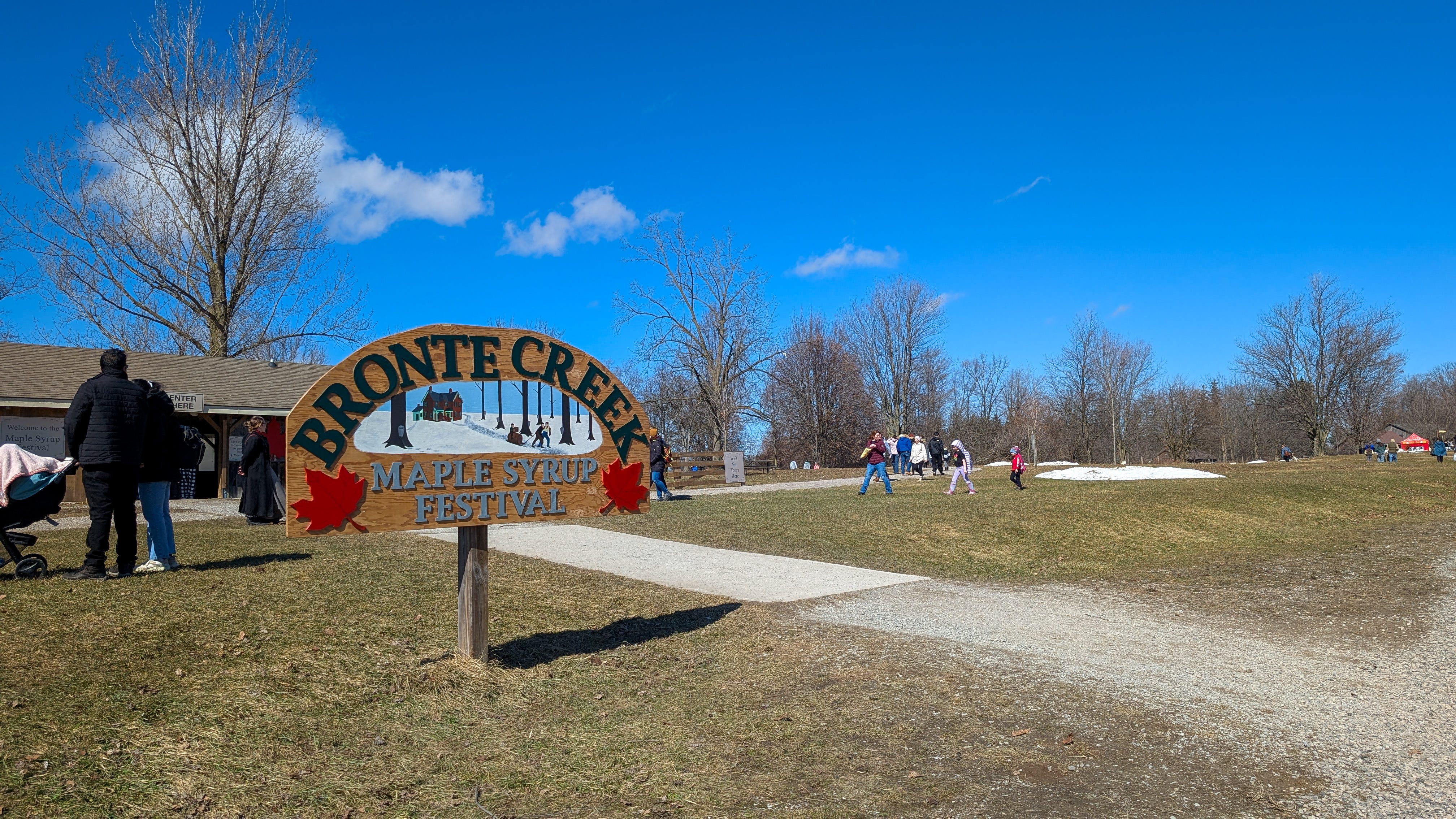
Meanwhile, across the Region, a sweeter spring tradition was unfolding in sugar bushes at Bronte Creek Provincial Park, Conservation Halton, and Credit Valley Conservation, with the return of Maple Syrup Festivals celebrating the natural treat.
“Maple syrup production depends on a narrow window of weather conditions. Cold nights followed by mild days create the pressure changes that allow sap to flow,” according to a blog post by Kimberley Laird, an Associate in Marketing and Communications at Credit Valley Conservation Authority.
The Ontario Federation of Agriculture says that Canada is the leader in Maple Syrup production, with farmers harvesting “119.5 million kilograms of maple syrup last year,” according to a release.
“Maple syrup is a product that truly connects people to the land and to the farmers who produce it and we encourage everyone to celebrate the start of spring with a taste of the country’s most iconic flavour,” said Angela Field, a farmer and director with the Federation.
For those looking to purchase some maple syrup, the Federation recommends visiting the Ontario Maple Syrup Producers’ Association website.
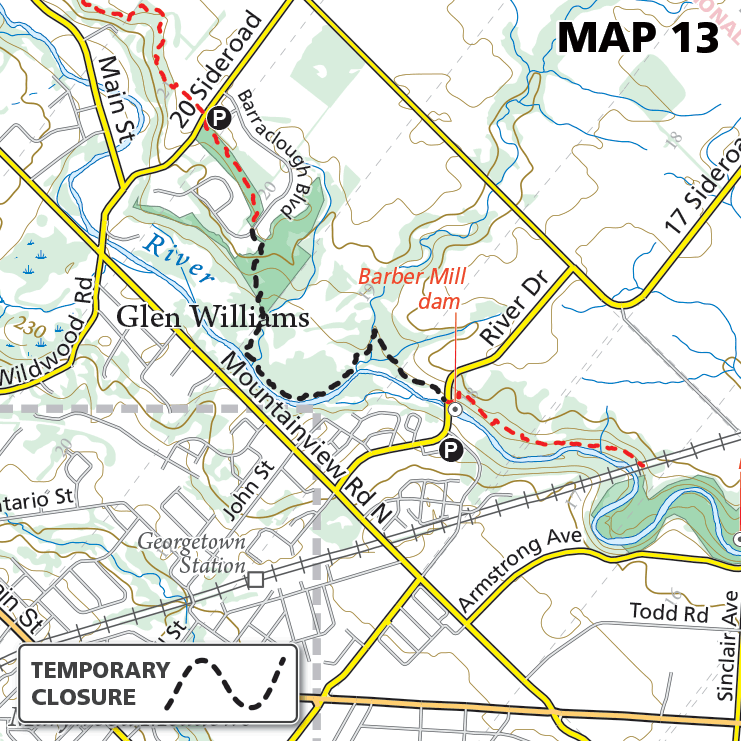
Lastly, in Halton Hills, the Toronto Chapter of the Bruce Trail Conservancy has announced a closure of the Credit Valley Foot Path, between River Dr and Barraclough Blvd, “due to a mix of seasonal flooding and local construction in the area,” according to a posting by the club.
The club notes that the duration of the closure is currently unknown.
Together, they are all sure signs that spring has arrived.
Endangered Species Act Repealed, New Species Conservation Act Takes Effect
By an Order in Council, March 30 was designated as the day when the Endangered Species Act would be formally repealed. A move the Ford Government had previously made when passing Bill 5, the Protect Ontario by Unleashing our Economy Act, 2025.
The legislation has now been formally replaced by the new Species Conservation Act.
Ontario Conservation Authorities to Consolidate From 36 to 9
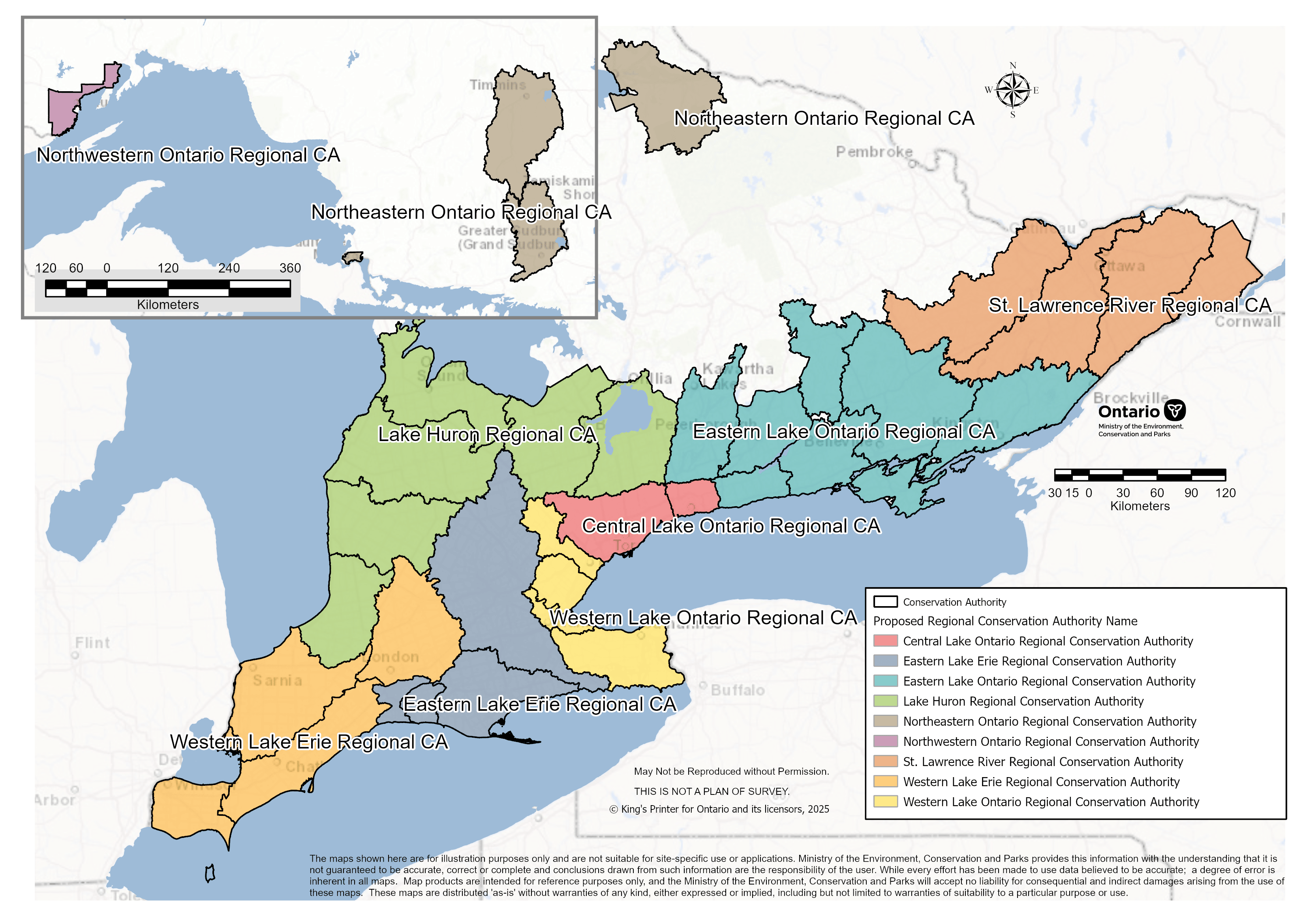
The Ford government announced on March 10 that the province’s 36 Conservation Authorities will be consolidated into nine regional bodies. A move the province says will streamline approvals, but critics warn could weaken local watershed management.
This follows a previous proposal to consolidate to just 7 Conservation Authorities, which drew significant criticism.
Conservation authorities are local agencies responsible for watershed management, flood prevention, environmental protection and development permitting across Ontario.
“Ontario’s improved approach would feature watershed-based regional conservation authorities operating under consistent provincial standards, modern tools and strengthened capacity – delivering stronger watershed management, flood resilience and better support for housing and infrastructure growth,” said Minister of the Environment, Conservation and Parks, Todd McCarthy, in a press release.
Locally, Conservation Halton and Credit Valley Conservation (CVC) would merge to form the new Western Lake Ontario Regional Conservation Authority, which would also absorb the Hamilton Conservation Authority and the Niagara Peninsula Conservation Authority.
Credit Valley Conservation Authority’s Board has “condemned,” they say, as part of a press release, that the proposed actions “disrupt one of the province’s most efficient and high-performing conservation authorities.”
Mayor of Halton Hills and a member of the CVC Board, Ann Lawlor, said in the same release, “In the Credit River Watershed, from Island Lake in Orangeville, through the lands of the Credit Valley Trail to Jim Tovey Lakeview Conservation Area on the Mississauga shore of Lake Ontario, local tax dollars and donations have created beautiful conservation areas. These local parks and trails should continue to be owned and managed by the people who paid for and use them.”
The Field & Shutter Press is working to provide a full report on the proposed changes.
Ford Government Fast-Tracks Gold Mine Opposed by Grassy Narrows First Nation
At a February 17 press conference, Ontario Energy and Mines Minister Stephen Lecce announced the Ford government would fast-track Kinross Gold’s Great Bear Project under the “One Project, One Process” framework created by Bill 5, the Protect Ontario by Unleashing our Economy Act.
The move comes after Grassy Narrows First Nation (Asubpeeschoseewagong Netum Anishinabek) successfully challenged a permit to take water issued to the Great Bear Project last year under Ontario’s Environmental Bill of Rights. The permit would have allowed sulphate discharges into local waterways.
Grassy Narrows’ waters are already contaminated with mercury from a pulp and paper mill that discharged the chemical into the English-Wabigoon river system for decades. Scientists warn sulphates can accelerate the formation of methylmercury, an even more toxic form of mercury.
You can read the full story about how “Ontario fast-tracks gold mine despite Grassy Narrows’ concerns — and a pending lawsuit.”
Doug Ford Wins ‘Don’t Bulldoze our Future’ Award from Climate Activists
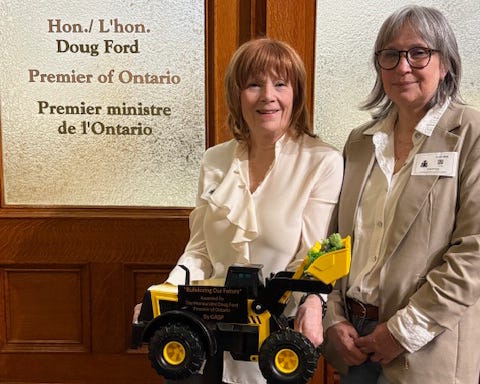
On March 12, at a press conference at Queen’s Park, Grand(m)others Act To Save The Planet (GASP) presented Ontario’s Premier Doug Ford with its “Don’t Bulldoze Our Future” award, criticizing what the group described as his government’s environmental decisions.
“It is always a pleasure to present an award to a recipient who deserves recognition for their good work and achievements serving their community,” said Sharon Sommerville of GASP, before adding, “but not today.”
She said GASP regrets “that we have to present the 2026 ‘don’t bulldoze our future’ award to our Premier, Doug Ford.”
Sommerville said that this award is “for his work to pave over thousands of acres of precious farmland, destroy critical woodlots that clean our air and wetlands that prevent floods, wasting apparently unlimited tax dollars in doing so.”
Premier Doug Ford was not present to accept the award in person. It was delivered to his office after the press conference.
The premier’s office did not respond to requests for comment prior to publication.
Read the full story in our article, “Environmental group gives Doug Ford ‘Don’t Bulldoze Our Future’ award, rally announced.”
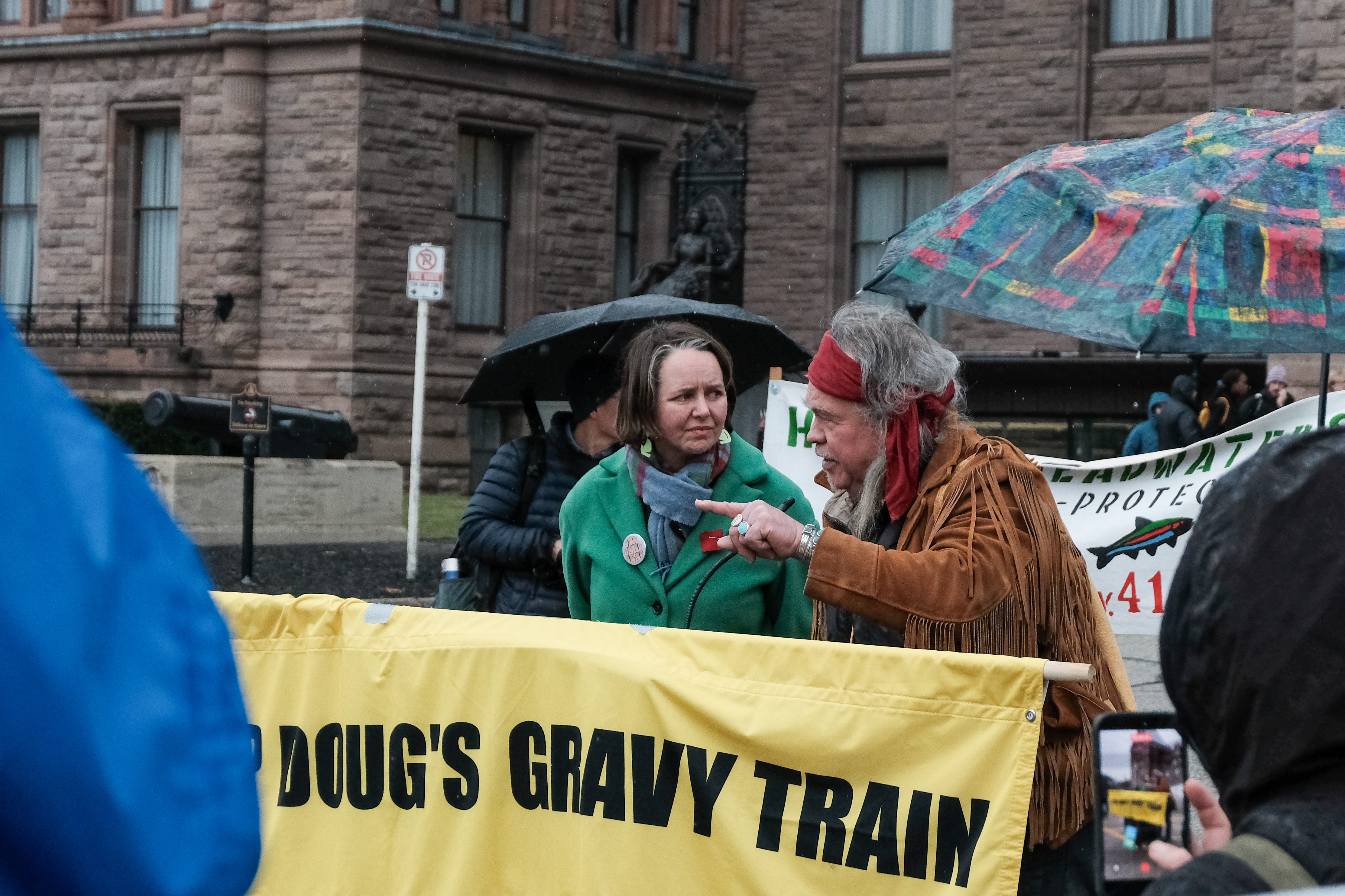
GASP also hosted a “Don’t Bulldoze our Future” rally on March 26 at Queen’s Park.
The Field & Shutter Press will have a full report on the rally prepared for the April issue.
THE FIELD & SHUTTER PRESS
FEATURES & INVESTIGATIONS
Environmental group gives Doug Ford ‘Don’t Bulldoze Our Future’ award

On March 12, at a press conference at Queen’s Park, Grand(m)others Act To Save The Planet (GASP) presented Ontario’s Premier Doug Ford with its “Don’t Bulldoze Our Future” award, criticizing what the group described as his government’s environmental decisions.
CONSERVATION & WILDLIFE NEWS
Why a tiny salamander is shutting down a Burlington road

It may sound unusual, but every year since 2012, King Road has been closed to traffic to provide a safe passage for the endangered Jefferson salamander, a joint effort by the City of Burlington and Conservation Halton.
IN OTHER NEWS
In the "In Other News" section, we’ll share interesting updates and discoveries from the past month. Expect highlights on photography, nature, wildlife, conservation, and environmental topics.
Ford government shrinking your right to know
Published on: 13/MAR/2026
The Ford government plans to change freedom-of-information laws to block public access to records from the premier’s and ministers’ offices, potentially applying the changes retroactively. Click here to read more
After 102 days, the Ontario Legislature returned this month.
Published on: 23/MAR/2026
The Ontario Legislature is back in session for the spring, after a 102-day absence. Click here to read more
Follow the Field & Shutter Press
Instagram | YouTube | BlueSky
Have a tip, story idea, event, or want to appear as a guest column? Contact us.